

Essential Home Repairs for a Safe Living
- Dec 29, 2025
- 4 min read
Owning a home comes with the responsibility of keeping it safe and functional. Regular maintenance and timely repairs are crucial to avoid bigger problems down the line. I’ve learned that addressing essential home repairs early can save money and protect your family’s wellbeing. In this post, I’ll share practical advice on the most important repairs every homeowner should prioritise.
Why Essential Home Repairs Matter
Keeping your home in good condition is not just about aesthetics. It’s about safety, comfort, and preserving the value of your property. Essential home repairs prevent hazards like electrical faults, water damage, and structural issues. Ignoring these repairs can lead to costly emergencies and even health risks.
For example, fixing a leaking roof promptly stops water from seeping into walls and causing mould. Repairing faulty wiring reduces the risk of fire. These repairs are investments in your home’s longevity and your peace of mind.
If you want to stay ahead of problems, it’s important to know which repairs are essential and how to handle them efficiently.

Common Essential Home Repairs You Should Not Ignore
Here are some of the most common repairs that every homeowner should address without delay:
Roof Repairs: Cracked or missing shingles, damaged flashing, and clogged gutters can cause leaks and water damage. Regular roof inspections and repairs protect your home from weather damage.
Plumbing Fixes: Leaky taps, running toilets, and blocked drains waste water and can cause structural damage. Fixing these issues early prevents bigger plumbing problems.
Electrical Repairs: Flickering lights, faulty switches, or outdated wiring are fire hazards. Hire a licensed electrician to inspect and repair electrical faults.
Wall and Ceiling Cracks: Small cracks can indicate settling, but large or growing cracks may signal structural issues. Monitor and repair cracks to maintain your home’s integrity.
Pest Control: Termites and rodents can cause serious damage. Regular inspections and treatments are essential to keep pests at bay.
Taking care of these repairs promptly ensures your home remains safe and comfortable.
What is the most expensive thing to fix on a house?
When it comes to costly repairs, the roof often tops the list. A full roof replacement can be a significant expense, especially if the damage is extensive. Other expensive repairs include foundation issues and major plumbing or electrical system overhauls.
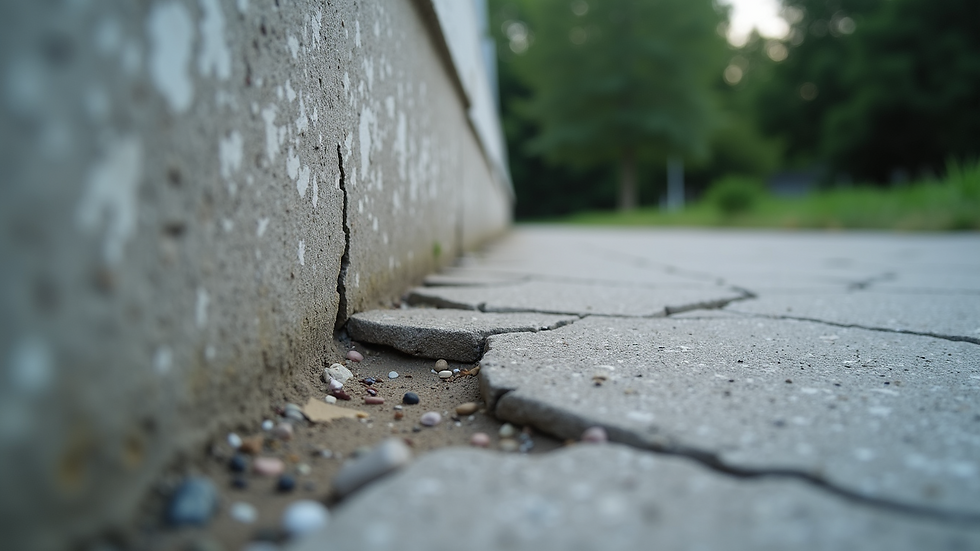
Foundation repairs are particularly costly because they involve stabilising the entire structure. Signs of foundation problems include uneven floors, sticking doors, and large cracks in walls. If you notice these, get a professional assessment immediately.
Electrical rewiring or upgrading an old system can also be expensive but is necessary for safety and compliance with current standards.
Knowing the potential costs helps you budget and prioritise repairs before they become emergencies.
How to Prioritise Repairs for Safety and Budget
Not all repairs require immediate attention, but some should be prioritised to keep your home safe. Here’s how I recommend prioritising:
Safety First: Address any repairs that pose a risk to health or safety immediately. This includes electrical faults, gas leaks, and structural damage.
Prevent Further Damage: Fix leaks, roof damage, and plumbing issues early to avoid costly secondary damage like mould or rot.
Budget Wisely: Plan repairs based on urgency and cost. Some cosmetic repairs can wait, but essential repairs should be scheduled as soon as possible.
Regular Inspections: Conduct seasonal inspections to catch problems early. This proactive approach reduces emergency repairs.
Hire Professionals: For complex repairs, always use licensed tradespeople. This ensures the job is done safely and to code.
By following these steps, you can manage your home repairs effectively without breaking the bank.
DIY vs Professional Repairs: What You Should Know
Some repairs are simple enough to handle yourself, while others require professional expertise. Here’s a quick guide:
DIY Repairs: Small plumbing fixes like replacing washers, patching minor wall cracks, or cleaning gutters can be done safely with the right tools and instructions.
Professional Repairs: Electrical work, roof repairs, foundation issues, and major plumbing problems should always be handled by licensed professionals.
Attempting complex repairs without experience can lead to bigger problems and safety hazards. When in doubt, call a trusted expert.
Remember, investing in professional repairs protects your home and your family.
Staying Ahead with Regular Maintenance
The best way to avoid costly repairs is through regular maintenance. Here are some tips to keep your home in top shape:
Inspect your roof and gutters twice a year.
Check plumbing for leaks monthly.
Test smoke alarms and electrical outlets regularly.
Look for signs of pests and treat early.
Keep your home clean and dry to prevent mould.
Regular maintenance helps you spot issues early and schedule repairs before they escalate.
If you want reliable help with your home, consider contacting a trusted service provider. They can assist with both planned projects and unexpected emergencies, ensuring your home stays safe year-round.
For those looking for dependable support, home repairs services like 247 Done offer expert solutions tailored to your needs.
Taking Action for a Safer Home Today
Don’t wait for problems to worsen. Start by inspecting your home and making a list of repairs. Prioritise safety-related fixes and schedule professional help when needed. Staying proactive with essential home repairs protects your investment and keeps your living environment safe.
If you’re unsure where to start, reach out to a trusted local service. They can provide advice, inspections, and quality repairs to give you peace of mind.
Your home deserves the best care. Take action today to ensure it remains a safe and comfortable place for years to come.


Comments